August-September: the season awakens
The aurora season in Finland opens quietly at the end of August, as the nights grow dark again after the midnight sun period. Lakes are still unfrozen and the autumn colours – Finland's ruska season – are beginning to turn. Seeing reflections of the Northern Lights shimmering on a calm lake, known as the double aurora, is one of the more unusual treats this time of year offers.
October-November: prime aurora season
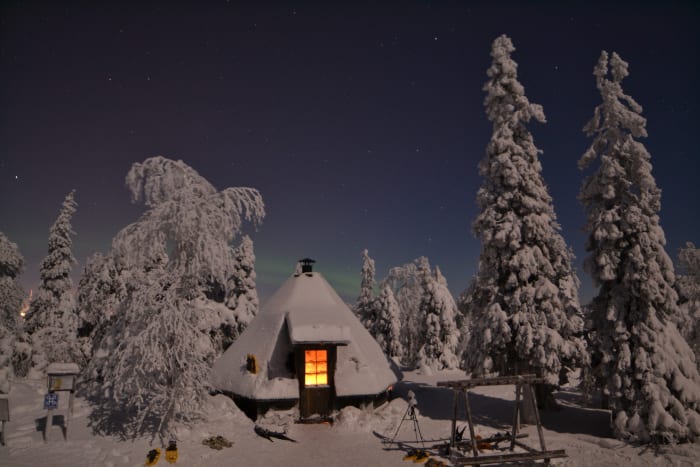
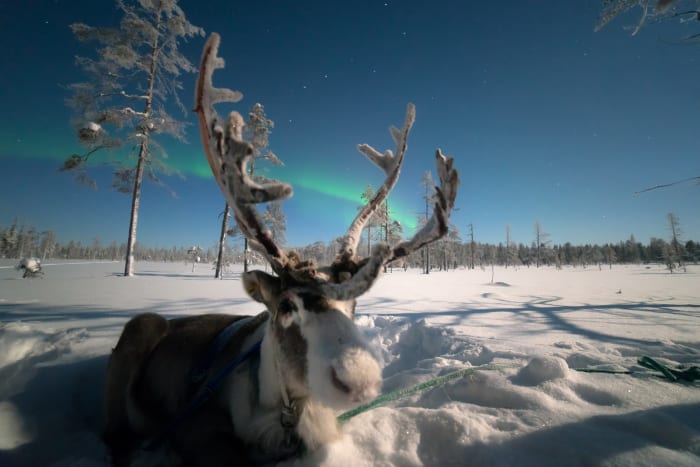
October and November are statistically among the strongest months for aurora activity. Solar winds interact more intensely with Earth's magnetic field around the autumn equinox (known as the Russell-McPherron effect), and the nights are long and properly dark. Snowfall typically arrives in Lapland making the landscapes turn white and magical.
December-January: polar night and deep winter
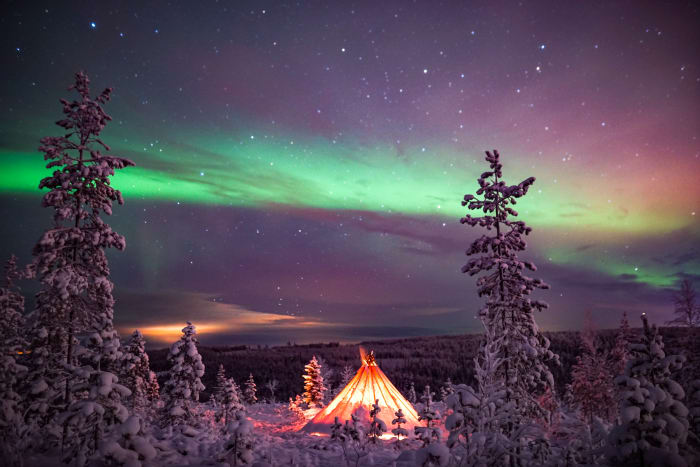
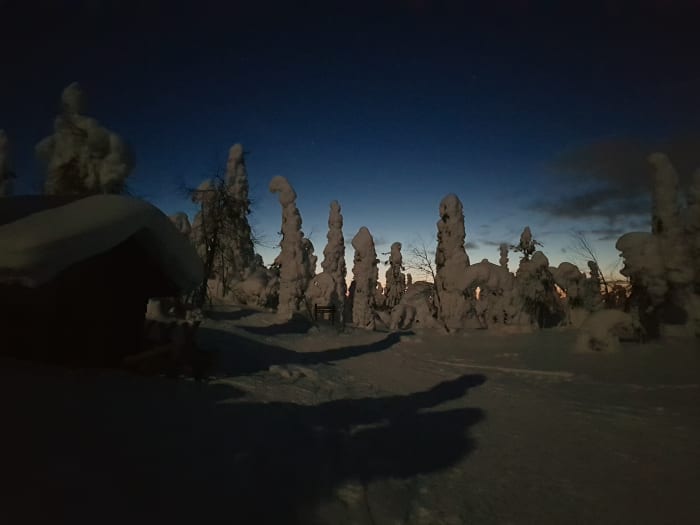
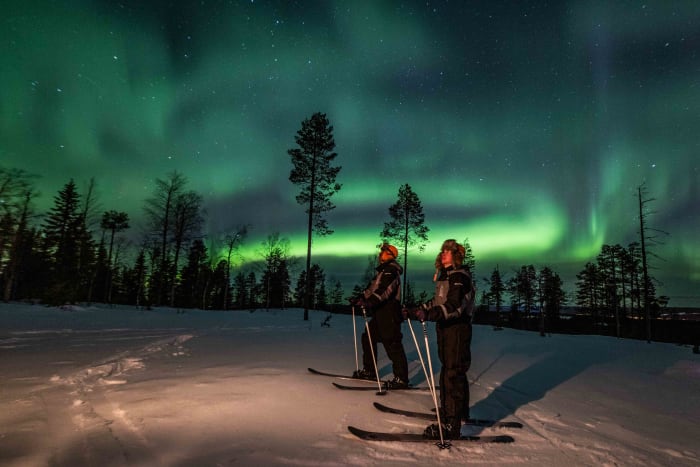
Most of Lapland enters polar night (kaamos) during this time, and in the northernmost areas the sun doesn't rise at all for weeks. If clear skies cooperate, this is some of the most atmospheric Northern Lights viewing possible: total darkness, snow-covered fells and not a hint of twilight to compete with the lights. This is also the most popular season to visit Finland to see the Northern lights, especially around Christmas time.
February-March: snow at its best, lights still going strong
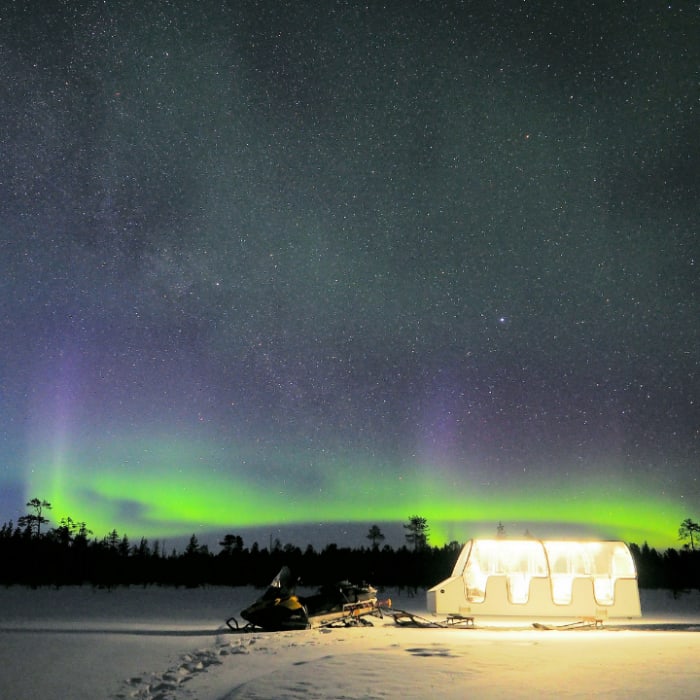
February and March bring reliably cold temperatures, excellent snow conditions and increasing solar activity as the spring equinox approaches. This is the period when aurora probability climbs again. If you are looking to visit Lapland and Arctic Lakeland during a quieter winter season, this is the time.
April: the season closes
By early April, the nights are growing lighter and the Northern Lights season is drawing to a close in most of Finland. The very first weeks of April can still deliver sightings in northern Lapland, but by mid-month the chances drop significantly. If you're visiting for spring skiing, consider the Northern Lights a bonus rather than the main event.